






Endometriosis can affect so much more than your period. From debilitating pain and heavy bleeding to missed classes and the constant worry about leaks, living with endo can be exhausting.
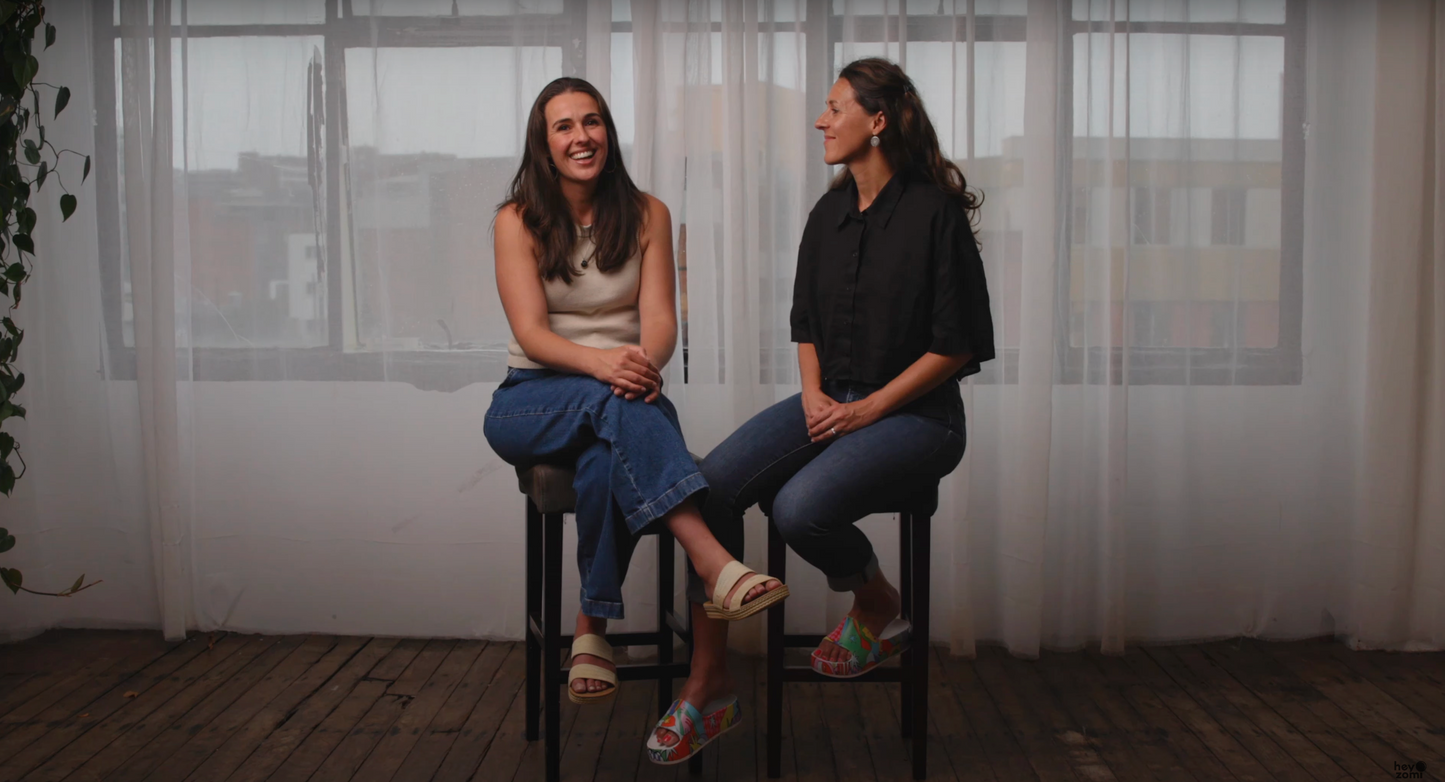
We recently sat down with Hannah, a 21-year-old university student who has undergone treatment for endometriosis, to hear about her experience.
Her story highlights something we don't talk about enough: how difficult it can be to find period products that actually work for your body when you're living with a condition like endometriosis.
And if you're reading this because you're wondering whether your own period symptoms are normal, we hope Hannah's experience helps you feel more informed about what to look out for, where to get support and how to make managing your period a little easier.
Meet Hannah: What living with endometriosis really looks like
Hey Zomi: Hannah, can you tell us a little about what your periods have been like?
Hannah: "It's always been something I've been anxious about. Since I first got my period, I've struggled with cramps, and the pain can be so bad that some days I struggle to get out of bed. It's not just a few cramps that you can ignore and get on with your day. Sometimes it completely takes over, and I have to plan around how I'm feeling."
Hey Zomi: How has endometriosis affected your university life?
Hannah: "It's definitely made uni harder. There have been days when I haven't been able to make it to class because of the pain, or I've decided to leave my class halfway. It's frustrating because I want to be so productive, but sometimes my body just doesn't let me."
Hey Zomi: What's been the biggest challenge with finding period products that work for you?
Hannah: "Honestly, finding something that's comfortable but also protects me from leaking. I've tried tampons, but it's so painful to insert, even though most of my friends use them. So I usually rely on pads, but they can irritate my skin and aren't always comfortable, especially when I'm moving around a lot or trying to sleep.
And when my period is really heavy, even changing my pad every two hours isn't always enough."
Hey Zomi: Have leaks affected your confidence?
Hannah: "Definitely. I've had times when I've leaked right through my clothes, and recently it's been so bad I've had to throw out what I was wearing.
It's embarrassing and stressful to think about, especially when you're out at uni or somewhere you can't easily get changed. I hate that I'm constantly checking or worrying about whether I've leaked, which is just another thing to deal with on top of the pain."
Hey Zomi: What would make managing your period easier?
Hannah: "Right now, the only management I've really done is sleep the pain away, because for me, sometimes that's the only thing that works. But product wise, I think just having something I can actually feel comfortable in and trust not to leak would make such a difference. When you're already dealing with pain and everything else that comes with endo, the last thing you want is to be worrying about your period products too.
I'd love to be able to go to uni or go about my day without having to think about my period the whole time."
Hey Zomi: What's one thing you wish more people understood about living with endometriosis?
Hannah: "I think people don't always realise how much it can affect your everyday life. It's not just having a painful period. It can stop you from doing things you want to do, and sometimes you have to cancel plans or miss out on things because you're not feeling well.
I wish more people understood that it's not something you can always just push through."
Hannah's experience is a reminder that endometriosis isn't simply about having a painful period. It can affect your education, confidence, social life and even something as basic as choosing period products.
And if you've ever found yourself wondering whether your period symptoms are normal, you're certainly not alone. We highly recommend seeking help from your doctor or medical professional.
So, what exactly is endometriosis, how do you recognise the symptoms, and where can you get help?
What is endometriosis?
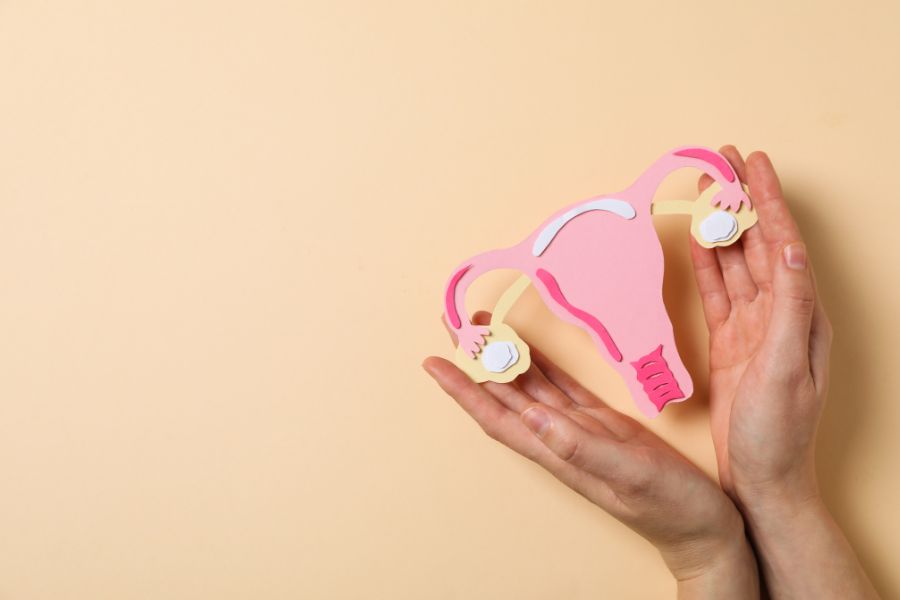
Endometriosis, often called ‘endo’, is a chronic inflammatory condition where tissue similar to the lining of the uterus grows outside the uterus. This tissue is most commonly found around the pelvis, including the ovaries, fallopian tubes and surrounding tissues. It can also affect areas around the bowel and bladder.
These endometriosis lesions can trigger inflammation, irritation and scar tissue, sometimes causing organs to stick together. And the result? Pain and symptoms that can affect far more than just a few days each month.
Endometriosis is more common than many people realise. Australian research has found that approximately 1 in 7 women in a studied birth cohort had been diagnosed with endometriosis by their late 40s. That's a significant number of people navigating a condition that can affect their work, relationships, education and everyday life.

What are the symptoms of endometriosis?
Endometriosis looks different for everyone. Some people experience debilitating pain, while others have relatively mild symptoms or none at all.
Common symptoms include:
-
Severe period pain: Cramps that interfere with everyday activities, sometimes starting before bleeding begins.
-
Heavy menstrual bleeding: Although not everyone with endometriosis experiences heavy periods.
-
Chronic pelvic pain: Pain that can occur throughout the month, not just during menstruation.
-
Bloating: Sometimes called endo belly, which can involve significant abdominal swelling and discomfort.
-
Fatigue: Feeling physically and mentally exhausted, particularly during flare-ups.
-
Pain during or after sex: Particularly with deep penetration.
-
Bowel or bladder symptoms: Pain when going to the toilet, constipation, diarrhoea or other changes around your period.
-
Fertility difficulties: Some people with endometriosis experience challenges becoming pregnant.
One important thing to understand is that the severity of your pain doesn't necessarily reflect the extent of the endometriosis. Someone with relatively small lesions may experience severe symptoms, while another person with extensive disease may experience less pain.
And here's something we really want you to know. Period pain that regularly stops you from attending school, going to work or enjoying everyday activities deserves medical attention. You don't have to accept debilitating period pain as something you simply need to put up with.
Could I have endometriosis? Where to start
If Hannah's experience sounds familiar, you might be wondering whether endometriosis could explain your own symptoms. While recognising the signs is important, symptoms alone can't confirm a diagnosis. Conditions such as adenomyosis, fibroids and other causes of pelvic pain can have overlapping symptoms.
So where do you begin?
Start by tracking your symptoms
Keep a record of what's happening throughout your cycle, including:
-
When your pain starts and how severe it feels
-
How heavy your bleeding is and how frequently you're changing period products
-
Whether you experience bloating, fatigue or bowel and bladder symptoms
-
Whether your symptoms affect school, work, exercise or social activities
-
Any pain during sex or when using internal period products
You might notice patterns you hadn't recognised before.
And having this information ready can help make conversations with your healthcare professional more productive.
Book an appointment with your GP
If your periods are interfering with your life, speak with your GP. They can discuss your symptoms, investigate possible causes and recommend next steps. This may include an ultrasound, other investigations, treatment options or a referral to a gynaecologist with experience in endometriosis.
It's important to know that a normal ultrasound doesn't necessarily rule out endometriosis, particularly superficial disease. And you don't always need surgery before starting treatment.
Treatment options may include hormonal medication, pain management, pelvic health physiotherapy, surgery or a combination of approaches depending on your symptoms and circumstances.
If you feel your concerns haven't been adequately addressed, it's okay to seek a second opinion. Your symptoms deserve to be taken seriously.
Helpful endometriosis resources in Australia
If you're looking for more information or support, these organisations are a great place to start.
Endometriosis Australia
Information about symptoms, diagnosis, treatment and support for people living with endometriosis.
https://endometriosisaustralia.org/
EndoZone
Evidence-informed resources for understanding endometriosis, managing symptoms and preparing for medical appointments.
Healthdirect Australia
Reliable medical information about endometriosis, including symptoms, diagnosis and treatment.
https://www.healthdirect.gov.au/conditions/female-health/endometriosis
RANZCOG
Australian clinical guidelines for endometriosis diagnosis and management.
https://ranzcog.edu.au/womens-health/endometriosis/
Finding comfortable period care when you have endometriosis
One of the things that stood out from Hannah's experience was how difficult it had been to find period products that were both comfortable and reliable. And she's certainly not alone in facing that challenge.
When you're already managing pain, bloating, fatigue and heavy bleeding, your period products shouldn't add another layer of discomfort. For some people with endometriosis, pelvic floor muscle tension, tenderness or pain with insertion can make tampons, menstrual cups or discs uncomfortable. Others find that disposable pads cause rubbing or irritation, or simply don't offer enough protection for their flow. This is where having more period care options matters.
Could period underwear be a better option?
Period underwear looks and feels much like regular underwear, but has built-in absorbent layers designed to collect menstrual fluid and help protect against leaks. And unlike tampons, menstrual cups or discs, there's nothing to insert.
For someone experiencing pelvic tenderness or discomfort with internal period products, this can be a welcome alternative. Period underwear also doesn't have adhesive wings, which may reduce rubbing or irritation for people who find disposable pads uncomfortable.
But perhaps one of its biggest advantages is simplicity. You put it on like everyday underwear, wear it according to its absorbency and your flow, and wash it ready for next time. Less period admin. Less checking. More getting on with your day.
Of course, period underwear won't treat endometriosis or relieve the pain caused by the condition. But finding comfortable, dependable protection may help make the practical side of managing your period a little easier.
What should you look for in period underwear?
Not all period underwear is created equal, and what feels comfortable during a flare-up might be very different from what you'd choose on a regular day.
Here are a few things worth considering.
1. A comfortable waistband
If you experience endo belly or abdominal tenderness, a soft, flexible waistband can make a big difference. Some people prefer a higher waist for coverage, while others find a lower-rise style more comfortable because it sits below the sensitive area.
2. The right absorbency for your flow
If you experience heavy bleeding, choose underwear with enough absorbency for your needs. On particularly heavy days, you may need to change more frequently or use additional protection.
3. Soft, stretchy fabrics
Look for materials that move with your body rather than digging in or creating pressure. Because the last thing you need during a flare-up is underwear that feels like shapewear.
4. Coverage and moisture management
Consider the coverage of the absorbent gusset, particularly if you're prone to leaks while sleeping or moving around. Moisture-wicking fabrics can also help you feel drier and more comfortable throughout the day.

Meet The Hey Zomi Period Underwear
At Hey Zomi, we believe period underwear should feel like underwear you actually want to wear. Our reusable period underwear is designed with comfort, protection and everyday wearability in mind.
Bikini Briefs: Light-to-Moderate Flow
A comfortable everyday option for lighter periods, spotting or additional protection alongside another period product.
https://www.heyzomi.com/products/bikini-brief-period-underwear
Midi Briefs: Moderate-to-Heavy Flow
Designed for more absorbency, with a comfortable fit and coverage to help manage heavier days.
https://www.heyzomi.com/products/midi-brief-period-underwear
Both styles feature soft, stretchy fabrics, moisture-wicking layers and a smooth, flexible waistband. Because when your body is already dealing with enough, your underwear shouldn't be another thing to worry about.
What about menstrual discs?
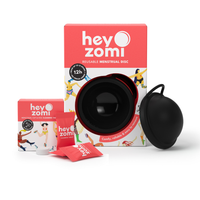
If you're comfortable using internal period products, a menstrual disc may also be worth exploring. Unlike menstrual cups, discs don't rely on suction to stay in place. They sit in the vaginal fornix, right under the cervix.
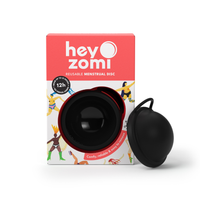
The Hey Zomi Menstrual Disc holds up to 52 mL of menstrual fluid and can be worn for up to 12 hours, depending on your flow. Its suction-free design and removal handle can make it an appealing alternative for people who have struggled with menstrual cups.
Discover the Hey Zomi menstrual disc- https://www.heyzomi.com/products/hey-zomi-menstrual-disc
However, if you're experiencing pelvic pain or discomfort with insertion, there's no need to push through it. Everyone's anatomy and experience with endometriosis is different. The best period product is the one that feels comfortable and works for your body.

Are period underwear materials safe?
There's growing interest in the chemicals used in menstrual products, particularly substances known as endocrine-disrupting chemicals (EDCs). These are chemicals that can interfere with the body's hormonal systems under certain conditions.
However, these findings don't establish that menstrual products cause endometriosis, and research specifically examining period underwear remains limited. There is currently no good evidence that switching to period underwear can prevent, treat or reduce the progression of endometriosis.
What you can do is make informed choices about the materials you're wearing against your skin. Look for brands that provide clear information about their fabrics, manufacturing and relevant testing.
Hey Zomi's period underwear is OEKO-TEX® STANDARD 100 certified, meaning the textiles have been tested against specified limits for a range of potentially harmful substances, including certain PFAS.
PFAS are a large group of chemicals sometimes used in textiles for their water- or stain-resistant properties. Certification is a useful indicator of testing, although it doesn't mean every possible chemical has been ruled out or that a product is guaranteed never to cause irritation.
For anyone dealing with sensitive skin or discomfort, understanding what's in your period products can help you make more informed choices.
━━━━━━━━━━━━━━━━━━━━━━━━━━━━━━━━━━━━━━━━
Endometriosis FAQs: Your questions answered
How do I know if I have endometriosis?
Symptoms such as severe period pain, pelvic pain, painful bowel movements, bloating and pain during sex can be signs of endometriosis. However, other conditions can cause similar symptoms. A healthcare professional can assess your symptoms and recommend appropriate investigations.
Can you have endometriosis without heavy periods?
Yes. Not everyone with endometriosis experiences heavy menstrual bleeding. Some people have relatively light periods but significant pelvic pain, while others have few symptoms.
Is it normal to miss school or work because of period pain?
Period pain is common, but pain that regularly prevents you from attending school, working or participating in everyday activities deserves medical attention. You shouldn't have to accept debilitating pain as normal.
Can endometriosis be diagnosed with an ultrasound?
An ultrasound can identify some forms of endometriosis, particularly ovarian endometriomas and certain types of deep endometriosis. However, superficial endometriosis may not appear on imaging, so a normal scan doesn't rule out the condition.
Is there a cure for endometriosis?
There is currently no definitive cure for endometriosis. However, treatments such as hormonal medication, pain management, pelvic health physiotherapy and surgery may help manage symptoms and improve quality of life.
Can teenagers have endometriosis?
Yes. Endometriosis can affect teenagers, and symptoms may begin from the first few years of menstruation. Severe period pain in young people shouldn't automatically be dismissed as normal.
Is period underwear good for endometriosis?
Period underwear doesn't treat endometriosis, but it may be a comfortable way to manage bleeding, particularly for people who experience discomfort with internal period products or irritation from pads.
Can period underwear handle heavy bleeding?
Some period underwear is designed for moderate-to-heavy flow. However, absorbency varies between styles, and you may need to change more frequently or use backup protection. If you're regularly soaking through products, it's worth speaking with a healthcare professional to investigate the cause.
Can endometriosis make tampons or menstrual cups painful?
Yes. Some people with endometriosis experience pelvic floor muscle tension, tenderness or pain during vaginal insertion. If using an internal period product hurts, stop and discuss your symptoms with a healthcare professional. Pelvic health physiotherapy may also help in some cases.
Can endometriosis affect fertility?
Endometriosis can make becoming pregnant more difficult for some people, but many people with endometriosis conceive naturally. If you're concerned about fertility, a healthcare professional can discuss your individual circumstances and options.
Can period underwear reduce endometriosis pain?
Period underwear doesn't directly treat endometriosis pain. However, avoiding uncomfortable internal products, irritating pads or restrictive waistbands may help reduce additional discomfort during your period.
━━━━━━━━━━━━━━━━━━━━━━━━━━━━━━━━━━━━━━━━
A final thought: Your period shouldn't put your life on hold
Hannah's experience is a reminder that living with endometriosis can affect so much more than a few days of bleeding. It can influence your confidence, education, relationships and the simple everyday things many of us take for granted. And while finding the right period products won't solve endometriosis, having comfortable, reliable options can help remove some of the additional stress that comes with managing your period.
Whether that's period underwear, pads, a menstrual disc or a combination of products, there's no single right answer.
Most importantly, if you're experiencing symptoms that are affecting your quality of life, you deserve to be heard, taken seriously and supported. Seek help from a medical professional.
Periods shouldn't have to mean putting your life on hold. At Hey Zomi, we are all about supporting anyone with a period access life changing period care.
Live better. Period.

━━━━━━━━━━━━━━━━━━━━━━━━━━━━━━━━━━━━━━━━
Sources and further reading
Australian Institute of Health and Welfare
Endometriosis in Australia: prevalence, symptoms and impact.
https://www.aihw.gov.au/reports/chronic-disease/endometriosis/contents/summary
Healthdirect Australia
Endometriosis symptoms, diagnosis and treatment.
https://www.healthdirect.gov.au/conditions/female-health/endometriosis
Endometriosis Australia
Information, education and support.
https://endometriosisaustralia.org/
RANZCOG
Australian Living Evidence Guideline: Endometriosis.
https://ranzcog.edu.au/womens-health/endometriosis/
EndoZone
Evidence-informed resources for people living with endometriosis.
OEKO-TEX®
Information about textile safety testing and STANDARD 100 certification.
This article provides general educational information and is not a substitute for personalised medical advice. If you're concerned about period pain, heavy bleeding or possible endometriosis, speak with a qualified healthcare professional.