







Growing up in Australia, our lives revolve around the water. Swimming carnivals, nippers, pool parties, family beach holidays and swimming lessons are all part of growing up. It's something we don't even think twice about, but for a younger girl who's only ever worn pads, swimming on their period can feel incredibly daunting.
If they've only ever used pads, that can feel like a real problem because pads simply don't work in water. Add swimmers, a pool deck or a crowded beach, with all their friends around them, and you can see why so many kids would rather sit on the sidelines and say they're not feeling well.
The worry doesn't go away with age, either. In our 2025 survey of 1,015 Australians who get periods, 88% said they worry about leaking. Now imagine that feeling at 12, in a swimsuit.
The good news is that swimming on your period is completely safe, and with a bit of planning, your kid can jump in like everyone else. Here's what actually happens in the water, which period products work best for swimming, and how to help kids and teens feel ready.
Can you swim on your period? Yes, absolutely!
There's no medical reason for your kid to sit out swimming because they have their period. It isn't unsafe, and it isn't unhygienic for anyone else in the pool.
That said, the choice should be theirs. If they're having a rough first day with cramps, or they just don't feel ready yet, sitting one out is fine. The goal is that they never have to sit out simply because they didn't know their options.
Does your period stop when you're swimming?
This is worth explaining to your kid, because understanding what actually happens in the water can take a lot of the fear out of swimming on their period.
Your period doesn't actually stop in the water, even though it might seem that way. When you're swimming, the pressure of the surrounding water can temporarily make it harder for menstrual blood to flow out. This means you might notice less blood while you're in the pool, but it doesn't mean your period has stopped.
The tricky moment can be getting out. Once you're back on land, blood may start flowing more noticeably again, particularly if you've been moving around. That's why it's important not to rely on water pressure alone to prevent leaks.
Having a suitable period product and a towel or swim robe ready can make getting in and out of the water feel much less stressful.
Swimming on your period: the playground myths
Kids hear all sorts of things at school, and when it comes to periods, there's plenty of misinformation floating around. Here are three common myths worth clearing up.
"Sharks can smell your period"
This one causes a lot of beach anxiety! Sharks can detect substances in water, including blood, but the International Shark Attack File, the global record of shark bites kept by the Florida Museum, says there's no positive evidence that menstruation is a factor in shark bites.
Swimming between the flags and following beach safety advice matters far more than where you are in your cycle.
Source: https://floridamuseum.ufl.edu/fish/isaf/reducing-risk/menstruation
"Everyone will be able to tell"
With a suitable period product, there's usually nothing to see. Internal period products sit inside the body, and a menstrual disc doesn't even have a string. The most important thing is finding something they feel comfortable and confident wearing, so they can focus on having fun rather than worrying about who might notice.
"You're not allowed to swim on your period"
There's no general rule preventing someone from swimming during their period at Australian pools or schools. Plenty of elite swimmers train and compete while menstruating, and having a period doesn't mean missing out on the activities you love.
Best period products for swimming: what works and what doesn't?
The simple rule is that products worn inside the body work well in water, while products that absorb from the outside generally don't. That means regular pads aren't suitable for swimming, but tampons, menstrual cups and menstrual discs can all be great options.

For a kid who's only just started their period, period swimwear can be a gentle first step, especially on lighter days. There's nothing to insert, and it feels much like wearing regular swimmers. On heavier days, though, period swimwear may struggle on its own, depending on the product's absorbency and how it's designed for use in water.
That's when an internal period product can make the difference between feeling confident in the water and wanting to sit out. Tampons, menstrual cups and menstrual discs are all options worth discussing, and the best choice is always the one your child feels comfortable using.
Can kids and teens use a menstrual disc for swimming?
Age isn't really the question. Readiness is.
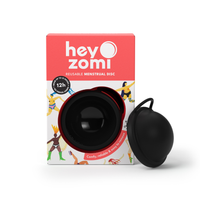
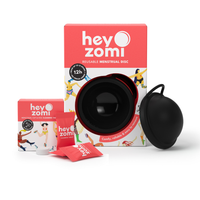
We have teens as young as 12 using the Hey Zomi menstrual disc, and some kids feel ready to try internal period products sooner than their parents expect. Others want to wait a year or two, and that's fine too. What's important is that they understand how the product works, feel comfortable inserting and removing it, and never feel pressured to use one.
There are a few reasons why a menstrual disc can be a particularly good option for swimming.
It sits high and out of the way. A menstrual disc sits in the vaginal fornix, right under the cervix. That's a wider part of the vagina, so most people can't feel it once it's positioned correctly.
There's no string. Unlike a tampon, there's nothing peeking out of their swimmers, which can be a big deal when you're 12 and already feeling self-conscious.
It holds a lot. The Hey Zomi menstrual disc holds 52 ml, approximately the same as four regular tampons, giving them plenty of capacity for swimming and other activities.
It can last the whole swimming carnival. A menstrual disc can be worn for up to 12 hours, depending on flow and the product instructions. That means less time worrying about changing period products throughout the day.
It's designed for easier removal. The Hey Zomi disc has a removal handle, so they can hook a finger into the handle, gently draw the disc out and keep it as level as possible over the toilet.
Made from 100% medical-grade silicone, the Hey Zomi disc is designed as a one-size-fits-most option. Before using any internal period product, it's important to read the instructions together, including the safety information about toxic shock syndrome, and allow plenty of time to practise.
Explore the Hey Zomi Menstrual Disc: https://www.heyzomi.com/products/hey-zomi-menstrual-disc
How to prepare your child for swimming on their period
A bit of preparation at home can take most of the stress out of swim day. The more familiar your child is with their period products and what to expect, the easier it becomes to focus on the swimming rather than worrying about leaks.
1. Practise weeks before, not the night before
Whatever period product they choose, their first attempt should be at home on a quiet weekend, without the pressure of a swimming carnival the next morning. If they're trying a menstrual disc, watching a tutorial together can help them understand what to expect and feel more confident giving it a go.
Our how-to-use video is a great place to start: https://www.heyzomi.com/pages/how-to-use
2. Do a test run at home
Let them try their chosen period product and move around, squat, jump and get comfortable with how it feels. They can even try their swimmers in the shower or bath to build confidence, although a bath isn't a reliable test of how well a product will prevent leaks during swimming.
The goal is simply to take away some of the unknowns before swim day arrives.
3. Put it in at home on swim day
Changing in a crowded, wet change room is no fun at any age, especially when you're still learning how to manage your period. If they're using a tampon or menstrual disc, inserting it comfortably at home can make the day much easier. Just make sure they know when it needs to be changed or emptied.
4. Let them pick their swimmers
Dark or patterned swimmers, or boardshorts over the top, can help some kids feel more relaxed. It's about what makes them comfortable, not about hiding anything. Giving them ownership of their choices is a great way to build confidence and help them feel more in control of their period.
5. Pack a swimming period kit
A little preparation goes a long way. Include a spare period product, period underwear for afterwards, wipes, a zip-lock or waterproof wet bag, and a towel or swim robe. Having everything ready means fewer things to worry about, particularly if their period starts unexpectedly or they need to change products during the day.
6. Have a quiet word with the teacher or coach, if they want you to
Some kids feel better knowing an adult is in the loop, while others would rather melt into the floor at the thought of their teacher knowing they have their period. Ask first, and let them decide. The important thing is helping them feel supported without taking away their privacy.
✅ For your kid to read: Swimming on your period, the short version
Got your period and a swim coming up? Here's what you need to know ✨
- You can swim on your period. It's safe, and it's not gross for anyone else in the pool.
- Pads don't work in water. They soak up the pool water, so you'll need something made for swimming.
- Period swimmers look like normal swimmers with a special absorbent layer inside. They're generally best for light days, depending on the product.
- Tampons and menstrual discs go inside your vagina, so they keep working underwater. Practise at home first, and ask a trusted adult for help if you need it.
- Your period doesn't stop in the water. It might seem lighter while you're swimming, but blood can still flow, especially when you get out.
- Nobody needs to know. Seriously. Everyone else is probably too busy worrying about their own swimmers.
- If you don't feel ready, that's okay. You can sit this one out and try next time.
Remember, having your period doesn't mean you have to miss out on the things you love.

FAQs: Swimming on your period for kids and teens
Can my 11-year-old use a tampon or menstrual disc for swimming?
Yes, if they feel ready and can use it comfortably. There's no universal minimum age for internal period products. What matters is that they're comfortable, understand how to insert and remove the product, and know how often it needs to be changed or emptied. Some children prefer to begin with period swimwear, while others are happy to explore tampons or menstrual discs.
Does using a tampon or menstrual disc affect virginity?
No. Using a period product has nothing to do with virginity. Virginity isn't a medical condition, and inserting a tampon or menstrual disc doesn't change someone's sexual history.
Can you swim with a menstrual disc?
Yes! A correctly positioned menstrual disc collects menstrual blood internally, making it a practical option for swimming, beach days and water sports. Unlike tampons, menstrual discs don't have a string outside the body, and they can be worn for up to 12 hours, depending on flow and product instructions.
What if their period starts at the swimming carnival?
A period kit in their swim bag covers most surprises. Make sure they know which teacher they can go to and that they can call you if needed. If they don't have a suitable period product with them, it's fine to sit out the rest of the day. There's always another swim.
How often should they change their tampon on swim day?
The American Academy of Pediatrics recommends changing tampons every 4 to 8 hours, and never leaving one in for more than 8 hours. It's a good idea to change a tampon after swimming too, as the tampon or its string may absorb some water.
When should we see a doctor about their period?
See your GP if their periods are very heavy, last longer than 8 days, or if period pain is stopping them from doing everyday activities. Periods shouldn't regularly prevent your child from going to school, swimming or participating in the things they enjoy.
Healthdirect has more information about period problems and when to seek help:
https://www.healthdirect.gov.au/period-problems
Helping them feel confident, in and out of the water
You know better than anyone how much thinking, packing and checking can go into managing a period. We call it the Menstrual Load, and for a young person who's only just started getting their period, that load can feel even bigger.
A little preparation, an open conversation about their options, and the freedom to choose what feels right can make all the difference. Helping your child understand their body and feel confident managing their period is something that will stay with them well beyond their next swimming carnival.
Because swimming carnivals should be about the race, not worrying about their period.
Ready to explore menstrual discs together?
Watch our step-by-step tutorial: https://www.heyzomi.com/pages/how-to-use
Meet the Hey Zomi menstrual disc: https://www.heyzomi.com/products/hey-zomi-menstrual-disc