







You've had your period for 20-odd years. You know your way around a pad and a tampon. But your own first period? That was a long time ago. And knowing how to manage your period is very different from knowing how to prepare your child for theirs.
When should you start the conversation? What should you tell them? Which period products are best for beginners? And how do you help them feel confident rather than overwhelmed?
The good news is that preparing your daughter for her first period doesn't need to be complicated. In fact, it can be a really positive experience for both of you.
Whether you're a mum, dad, carer or trusted adult, the most important thing you can give a young person is knowledge, reassurance and the confidence to ask questions. Here's how to help them feel ready for their first period, and maybe even a little excited about this new chapter.
When Should You Start Talking About Periods?
Earlier than you might think!
In Australia, the average age for a first period is around 12 to 13, although some children start as young as 9, or occasionally earlier. The goal is to make sure your child understands what's happening to their body well before their first period arrives.
There are also a few physical signs that their first period may be getting closer. Breast development is often one of the earliest signs of puberty. A first period commonly arrives around two to three years after breast development begins, although everyone's timeline is different. Growth spurts and pubic hair are other signs their body is changing, but they can't tell you exactly when a period will begin.
Vaginal discharge is another completely normal development. Your child might notice clear or white discharge in their underwear as their hormones change. This can begin months before their first period.
If you're noticing these changes, it's a great opportunity to start preparing together. And if your child hasn't shown any signs of puberty yet? That's absolutely fine too. Period conversations can start long before physical changes happen.
How to Talk to Your Child About Periods Without Making It Awkward
You don't need to organise one big, serious sit-down conversation about menstruation. In fact, lots of small, everyday conversations can be far more effective. Maybe you're buying period products at the supermarket, changing your own period underwear, or your child notices a tampon in the bathroom. These are perfect opportunities to open the conversation naturally.
You could start with something as simple as, "Have you learnt much about periods at school yet?" or "Do you know what happens when someone gets their first period?"
Use the correct words. Period, vagina, vulva, uterus and menstrual blood are all normal words. Using them openly helps remove the idea that periods are secret, embarrassing or something we shouldn't talk about. Share your own experiences. Remember your first period? Perhaps you were excited, confused, embarrassed or completely unprepared. Sharing your experience can help your child understand that everyone starts somewhere.
And don't just talk about your first period. Talk about your periods now.
Why do you sometimes feel tired? Why might you reach for a heat pack? Why do you prefer period underwear, a tampon or a menstrual disc?
When children see the adults around them managing periods openly and comfortably, it becomes part of everyday life rather than something mysterious. Let them know they can ask anything. Some questions might feel funny, awkward or surprising. That's okay! A relaxed response helps build trust and makes it easier for them to come back with questions later.
And remember, children who don't menstruate benefit from these conversations too. Understanding periods helps create a more informed and supportive generation.
What Is a Period? How to Explain Menstruation to Your Child
Before talking about products, it's helpful to explain what's actually happening inside their body. You don't need a complicated biology lesson. Start simple.
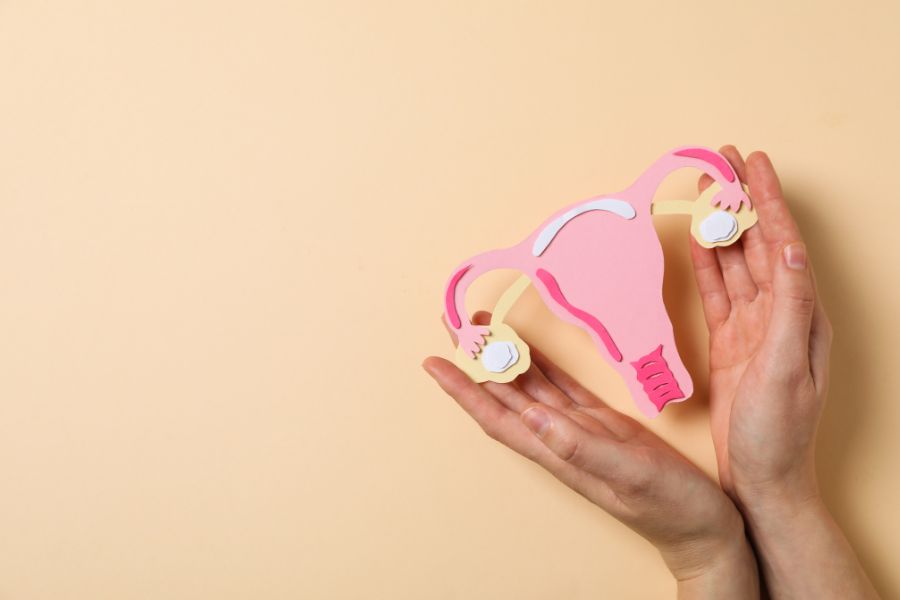
You might say, "Inside your body is an organ called the uterus. As you grow up, hormones tell your uterus to build a soft lining. If there's no pregnancy, your body sheds that lining, and it leaves through your vagina as menstrual fluid. That's what we call a period."
You can explain that menstrual fluid is made up of blood, tissue from the uterine lining and other fluids. It's not dirty, harmful or something to be ashamed of. It's simply part of how the reproductive system works. You might also explain that periods are part of a menstrual cycle, which is controlled by changing hormone levels throughout the month. For some children, understanding the science can make the whole experience less intimidating. You could even look at a simple diagram of the uterus together.
And here's something worth reminding them: getting a period doesn't mean they suddenly have to act grown up. It's one part of puberty, and everyone develops at their own pace.
What to Expect When You Get Your First Period
One of the biggest worries children have about their first period is simply not knowing what to expect. Will it hurt? Will there be lots of blood? What if it happens at school?
Talking through these possibilities before they happen can make an enormous difference.
What does your first period look like?
A first period doesn't always arrive as bright red blood. It might start as a few brown, pink or reddish spots in their underwear. Some children don't even realise it's their period at first. Explain that period blood can look different throughout a period, and that's completely normal.
A first period may be quite light, although some young people experience heavier bleeding.
Will periods happen every month?
Not necessarily, especially in the beginning. During the first couple of years, menstrual cycles can be irregular while the body's hormonal systems mature. Your child might have one period and then wait several weeks or even a couple of months for the next.
Encourage them to keep a simple record of when their periods happen, whether in a diary, calendar or age-appropriate period tracking app. This can help them begin recognising their own patterns without feeling they need to have a perfectly predictable cycle. If periods are consistently very far apart, or there is a gap of more than 90 days, it's worth speaking with a healthcare professional.
Do periods hurt?
Some people experience mild cramps, lower back discomfort, bloating or tiredness during their period. Others have very few symptoms. A warm heat pack, gentle movement and rest can help with mild discomfort.
But it's important to teach your child that severe period pain isn't something they should simply put up with. If pain is stopping them from going to school, playing sport, sleeping or enjoying normal activities, speak with a GP.
What if their period starts at school?
This is one of the most useful conversations you can have. Show them where their period kit is, explain how to use the products inside, and talk about who they can ask for help.
Maybe it's a teacher, school nurse, friend or someone in the school office. Let them know that if they don't have a period product, it's okay to ask for one. And if they leak through their clothes, they can call you or another trusted adult.
Period leaks happen to almost everyone who menstruates at some point. They're not a failure, and they're certainly nothing to be embarrassed about.

Build a First Period Kit Together
Preparing a first period kit can be a surprisingly fun and empowering experience. Rather than packing a few pads into their school bag and hoping for the best, why not turn it into something you do together?
Lay out the different period products, explain how they work, and let your child explore their options.
A first period kit might include:
- A pair of comfortable period underwear
- Disposable pads, including organic cotton options
- Organic cotton tampons, with or without applicators
- A reusable menstrual disc, if they're interested and comfortable exploring internal products
- A spare pair of regular underwear
- A small packet of tissues
- A discreet wet bag for storing clean and used underwear separately
You don't need to pack every product into their school bag. The idea is to show them what's available and help them choose what feels right. Some children will love the simplicity of period underwear. Others might be curious about tampons, especially if they swim or play sport. And some might want to learn about reusable menstrual discs, even if they don't feel ready to use one just yet.
The important part is giving them ownership over their period care. Let them choose the products, colours and little bag they want to carry. Show them how everything works and answer their questions. You could even make a little afternoon of it. Go shopping together, pick out their supplies and talk about what they're most excited or nervous about. Being prepared helps replace uncertainty with confidence.
A Handy Addition: The Double Zip Wet Bag
A double zip wet bag is especially useful for school, sport and sleepovers. The two separate compartments allow them to keep clean period underwear in one side and used underwear in the other. It means they can change discreetly without worrying about what to do with their used underwear until they get home.
Explore the Hey Zomi Double Zip Wet Bag: https://www.heyzomi.com/collections/shop/products/the-hey-zomi-double-zip-wet-bag
Starting With Period Underwear: Comfortable, Simple and Reusable
Period underwear is one of the easiest products for young people to understand because it looks and feels much like regular underwear. The difference is the built-in absorbent layers designed to collect menstrual fluid.
There's nothing to insert, no adhesive strips to manage and no complicated instructions. For a child preparing for their first period, that familiarity can be incredibly reassuring. You could start by letting them try a pair at home before their first period arrives. This helps them get used to how they feel, how they fit and how to change them.
Having a few pairs available is useful, especially for school days. One to wear, one to pack and another in the wash. It's also worth explaining that period underwear comes in different absorbencies, so they can choose a style that suits their flow and change it as needed.
Show Them How to Wash Period Underwear
This is such an important part of normalising periods, and one that's often overlooked. If you're comfortable, show your child how you rinse and wash your own period underwear.
You might take them off in the shower and rinse them under cool running water, or rinse them over a basin until the water runs mostly clear. Then wash according to the garment's care instructions and allow them to dry completely. Seeing this process can take away the shock of handling menstrual blood for the first time.
It also helps children understand that period blood isn't something to be frightened of. You could explain that menstrual fluid contains blood, proteins and tissue from the uterus. It's an interesting part of how our bodies work.
Some people even talk about using diluted menstrual rinse water on garden plants. While it might sound fascinating, menstrual fluid isn't a proven or recommended plant fertiliser, and using it on edible plants or in shared gardens isn't advisable because of hygiene concerns.
The more important message is that rinsing period underwear is a completely normal part of reusable period care. It doesn't need to feel gross or embarrassing.
Explore Hey Zomi Period Underwear: https://www.heyzomi.com/pages/period-underwear
How to Introduce Tampons to Your Child
Tampons can be a fantastic period product, particularly for young people who love swimming, dancing, gymnastics or other activities where they want more freedom of movement. Unlike pads and period underwear, a tampon sits inside the vagina and absorbs menstrual fluid before it leaves the body.
This means there's no external product to feel underneath clothing, and they can swim while wearing one. There's no minimum age someone must reach before trying a tampon. What matters is that they understand how to use it safely and feel comfortable with the idea.
Making the First Few Tries Easier
If your child is curious about tampons, start by showing them what one looks like and how it works. You could demonstrate how an applicator tampon works using the applicator outside the body, and explain how the tampon expands as it absorbs fluid.
For beginners, a slim or light-absorbency tampon may feel less intimidating. Applicator tampons can also be helpful because they guide the tampon into place without needing to push it in directly with a finger. Encourage them to take their time, wash their hands and find a comfortable position. Sitting on the toilet, squatting or standing with one leg raised can all work.
Explain that the vagina angles back towards the lower back, rather than straight upwards. A tampon should follow that natural angle.
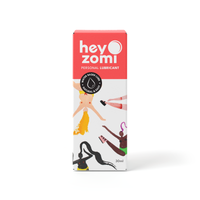
A little water-based lubricant on the tip of the tampon or applicator can also help reduce friction during those first few attempts, especially when menstrual flow is light.
Remind them that inserting a tampon should never be forced. If something feels painful or uncomfortable, it's okay to stop and try another time. A properly positioned tampon generally shouldn't be noticeable, and the string stays outside the body for removal.
You can get our water-based lube, designed for period products here: https://www.heyzomi.com/collections/shop/products/the-hey-zomi-water-based-lubricant-30ml
Tampon Safety: What They Need to Know
Good hygiene is an important part of learning to use tampons. Teach your child to wash their hands before and after insertion, use the lowest absorbency needed for their flow and follow the instructions on the packaging.
Tampons should be changed every four to eight hours, or sooner if needed, and never left in for longer than eight hours. It's also important to explain toxic shock syndrome (TSS), a rare but potentially life-threatening condition associated with tampon use.
You don't need to make this frightening. Simply explain that using tampons correctly, changing them regularly and understanding the warning signs are important safety habits. If someone using a tampon develops sudden fever, vomiting, diarrhoea, dizziness or a widespread rash, they should remove the tampon and seek urgent medical attention. And remember, tampons are just one option. If your child doesn't like them, there's absolutely no reason they have to use them.
What About Menstrual Discs? An Option Worth Understanding Early
For many of us, growing up meant choosing between pads and tampons. But today's young people have more options, including reusable menstrual discs. Even if your child isn't ready to use a menstrual disc for their first period, understanding what one is and how it works gives them more choice as they get older.
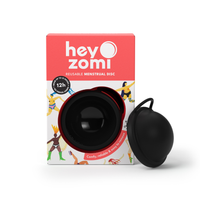
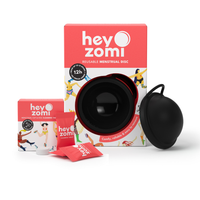
A menstrual disc is a soft, flexible product that sits inside the vagina, in the vaginal fornix right under the cervix. Unlike a tampon, which absorbs menstrual fluid, a disc collects it. The Hey Zomi menstrual disc is made from 100% medical-grade silicone and has a built-in removal handle to make it easier to reach and remove.
Why Might Someone Choose a Menstrual Disc?
There are some great benefits worth explaining to your child.
- Up to 12 hours of wear. Depending on their flow, a disc can be worn throughout the school day without needing to change it.
- Comfort. Because it sits higher in the vagina and doesn't rely on suction, many people find it comfortable once properly positioned.
- Freedom for sport and swimming. Like tampons, a menstrual disc can be worn while swimming and exercising.
- Reusable for years. A quality reusable menstrual disc can reduce the need to purchase disposable period products every month.
- Higher capacity. The Hey Zomi disc holds approximately the equivalent of four regular tampons, which can be helpful for people with heavier flows.
- Easy removal. Hey Zomi's built-in handle helps users reach and remove their disc.
- Less period admin. Longer wear time can mean fewer changes and less planning around bathrooms during busy days.
Of course, there is a learning curve. Just like learning to use tampons, using a menstrual disc can take a little practice.
What Age Can a Teenager Start Using a Menstrual Disc?
There's no set minimum age for using a menstrual disc. The most important considerations are their comfort, understanding of their anatomy, ability to insert and remove the product safely, and whether the disc fits their body.
At Hey Zomi, we've heard from teenagers as young as 12 who use menstrual discs successfully. But every young person's body and confidence level is different. A one-size disc won't necessarily be comfortable or suitable for everyone, particularly younger users.
It's completely fine for a child to start with period underwear or pads and explore internal products later. There's no rush, and no product they need to work towards.
How Do You Teach a Teenager to Use a Menstrual Disc?
Start by showing them the disc and explaining where it sits inside the body. Unlike a tampon, a menstrual disc is pinched into a narrow shape before insertion. It's then guided back towards the tailbone, with the front rim tucked up behind the pubic bone.
When positioned correctly, it sits around the cervix and collects menstrual fluid. It can help to look at an anatomical diagram together so they understand where the disc sits and why it's different from a tampon. If they're ready to try one, encourage them to practise at home without any time pressure.
A little water-based lubricant can make insertion easier, and wearing period underwear as backup for the first few cycles can help build confidence while they learn. Removal is just as important to practise. The Hey Zomi disc has a handle that can be reached with a clean finger and gently pulled to guide the disc out. It's easiest to practise over the toilet or in the shower, where any spilled menstrual fluid can be cleaned up easily. Explain that they should never force insertion or removal, and they should always be able to remove the disc themselves.
If they experience pain or persistent difficulty, stop and seek advice from a healthcare professional.
How Do You Clean a Menstrual Disc?
Good hygiene is important with any internal period product. Wash hands before and after handling the disc, and empty, rinse and reinsert it at least every 12 hours, or sooner depending on flow.
Clean the disc according to the manufacturer's instructions between periods, and make sure your child understands the importance of following the product's care and safety guidance, including information about TSS.
It can also help to explain that using an internal period product is a personal choice, not a milestone they need to reach.
Learn more about the Hey Zomi Menstrual Disc: https://www.heyzomi.com/products/hey-zomi-menstrual-disc
Helping Your Child Choose the Right Period Products
There is no single best period product for every teenager. The right choice is the one that feels comfortable, manageable and suitable for their body and lifestyle.
Rather than deciding for them, invite your child into the conversation. Ask what they think about the different options. Are they comfortable with the idea of inserting something into their vagina? Do they swim regularly? Are they worried about leaks at school? Would they prefer something reusable?
Listen to their answers without judgement. Perhaps they want to start with period underwear and keep a few pads in their bag. Maybe they're excited to try tampons because they love swimming. Or perhaps they're curious about how a menstrual disc works.
All of those choices are valid. You can also explain that people often use different products for different situations. They might wear period underwear to school, use a tampon for swimming, and explore a menstrual disc when they're older.
There's no need to commit to one product forever. And there's something really powerful about letting your child make these decisions. They're learning to understand their body, advocate for their comfort and make informed choices about their own health. That's a skill they'll carry with them well beyond their first period.
What Your Daughter Might Ask You About Periods
Some questions might come up straight away. Others might appear weeks or months later, when your child has had time to think. Here are some common questions and ways you can answer them.
"How will I know when my first period is coming?"
You might notice changes in your body first, like breast development, pubic hair or vaginal discharge. But it's difficult to predict the exact day your period will start. That's why having a little period kit ready can help you feel prepared.
"What if I get my period at school?"
You can use the supplies in your period kit, ask a teacher or school nurse for help, or call me if you need anything. Lots of people have had their period start unexpectedly at school, and there's always someone who can help.
"Will everyone know I'm on my period?"
No. Having your period doesn't look a particular way, and other people generally won't know unless you choose to tell them. And if you do want to talk about it, that's completely okay too.
"Does getting my period mean I'm grown up?"
Getting your period is one sign that your body is going through puberty, but it doesn't mean you suddenly have to be an adult. You're still you, and there's no rush to grow up.
"Will it hurt?"
You might experience some cramps or feel a little tired, but everyone experiences periods differently. If you ever have pain that's really uncomfortable or stops you doing the things you love, tell me so we can get some help.
"Can I go swimming when I have my period?"
Absolutely! You can swim during your period. Tampons and menstrual discs are two options designed to be worn internally while swimming. You can choose what feels comfortable for you.
"Can I use a tampon or menstrual disc if I haven't had sex?"
Yes. Using a tampon or menstrual disc has nothing to do with whether someone has had sex. Virginity isn't something a period product can change, and it isn't a medical condition.
"What if I leak through my clothes?"
It happens, and it's nothing to be embarrassed about. You can change into spare underwear or clothes, ask for help, and carry on with your day. A leak doesn't mean you've done anything wrong.
"Is period blood dirty?"
No! Menstrual fluid is a normal part of how the body works. Just like any other bodily fluid, we use good hygiene when handling it, but there's nothing shameful or disgusting about it.
"What if my friends get their periods before me?"
Everyone develops at their own pace. Some people get their first period quite young, while others start later. There's no competition and no perfect age to begin.
"When should I talk to a doctor about my period?"
If your bleeding is very heavy, your period lasts longer than about a week, you have severe pain, or you're worried about anything, we can speak with a GP together.
You never have to wait until something feels unbearable to ask for help.
More Than a First Period: Building Confidence for Life
Preparing your child for their first period isn't really about choosing the perfect pair of period underwear or knowing how to insert a tampon. It's about helping them feel confident in their body.
When we speak openly about periods, explain what's happening and give young people the freedom to explore their options, we help remove some of the worry and uncertainty that so often comes with menstruation. At Hey Zomi, we call all that extra thinking, planning, checking and worrying the Menstrual Load. And imagine how much lighter that load could feel if the next generation grew up understanding their periods, feeling comfortable asking questions and knowing they had choices.
So start the conversation. Build the period kit together. Show them how products work. Share your stories, laugh about the awkward moments and keep the door open for questions. Because a first period doesn't have to be something to dread.
With the right support, it can be a moment of curiosity, confidence and connection!

Sources and fact-checking
- Healthdirect: Puberty for girls https://www.healthdirect.gov.au/life-stages/teenagers-health/puberty-for-girls
- Healthdirect: Menstruation https://www.healthdirect.gov.au/menstruation
- Healthdirect: Toxic shock syndrome https://www.healthdirect.gov.au/conditions/bacterial-infections/toxic-shock-syndrome
- ACOG: Menstruation in Girls and Adolescents https://www.acog.org/clinical/clinical-guidance/committee-opinion/articles/2015/12/menstruation-in-girls-and-adolescents-using-the-menstrual-cycle-as-a-vital-sign