






92% of women surveyed have experienced a period leak. Yet somehow, we're still made to feel embarrassed when it happens.
Periods are one of the most normal biological experiences in the world. Yet for so many of us, they come with an invisible burden that goes far beyond bleeding for a few days each month.
It's the worry about leaking through your clothes. The mental calculations about when to change your tampon. The extra underwear packed just in case. The pain you push through at work. The social plans you cancel. The money you spend. And the constant effort of making sure nobody notices you're on your period.
At Hey Zomi, we call this the Menstrual Load.
And we think it's time we started talking about it.
What is the Menstrual Load?
The Menstrual Load is the combined physical, mental, emotional and practical effort involved in managing menstruation.
It's not just the period itself. It's everything that happens around it.
Think about how much planning can go into something as simple as leaving the house when you're on your period.
Will there be a bathroom? Do I have enough period products? What if I leak? Should I wear black? How long will I be out? What if my cramps get worse?
For many people, these thoughts are so routine that we barely recognise them as additional work.
But they are.
And when you consider that menstruation can be a regular part of life for several decades, all those little worries, decisions and disruptions add up.
The Menstrual Load is the work we do to manage our periods, and the extra work we do to make sure nobody else knows about it.
We Asked 1,000 Australians About Their Periods. Here's What We Found.
We wanted to better understand how periods impact everyday life, beyond the physical experience of bleeding.
So Hey Zomi conducted research with 1,000 Australian survey participants, exploring period leaks, anxiety, embarrassment and the everyday decisions people make while menstruating.
What we discovered reinforced something so many of us have experienced but rarely talk about.
Period anxiety is incredibly common, and it's changing how we live our lives.
The Menstrual Load by the Numbers
- 92% have experienced a period leak.
- 88% worry about leaking during their period.
- 69% avoid wearing white or light-coloured clothing during their period.
- 54% have experienced a period leak in public.
- 60% worry about leaking often or always.
Source: Hey Zomi Menstrual Load Research, Australian survey, n=1,000.
Let's think about those numbers for a moment.
Almost everyone surveyed has experienced a period leak. More than half have leaked in public. And yet the fear of leaking continues to influence what we wear, where we go and how comfortable we feel in our own bodies.
There's something quite extraordinary about that.
If almost everyone experiences period leaks, why are we still so embarrassed by them?
Why does something so common carry so much shame?
That's the contradiction at the heart of the Menstrual Load.
We've normalised the expectation that people should manage their periods discreetly, but we haven't normalised the realities of actually having one.
And the result is an enormous amount of unnecessary stress.
Why Does the Menstrual Load Exist?
The Menstrual Load doesn't exist simply because we menstruate.
It exists because of the physical demands of periods, combined with the expectations, systems and attitudes that surround them.
1. We've been taught that periods should be invisible
For generations, periods have been treated as something private, embarrassing or inappropriate to discuss openly.
Many of us grew up hiding pads and tampons on the way to the bathroom, tying jumpers around our waists after a leak or whispering when asking a friend for a period product.
We learned how to manage periods, but we also learned how to hide them.
And that expectation of secrecy creates pressure.
When something goes wrong, like leaking onto a chair or bleeding through your clothes, it can feel like a personal failure rather than a completely normal human experience.
But a period leak isn't a failure.
It's something that happens to almost everyone who menstruates.
2. Periods require constant mental planning
There's a whole category of work that happens before, during and after our periods.
We call it period admin.
It's checking your cycle tracking app, buying products, packing spares, planning bathroom breaks, washing stained underwear, changing bedsheets and calculating how long your period protection will last.
It's also remembering all of these things while managing everything else in your life.
This mental effort can be exhausting, especially when it's repeated month after month.
And because it's largely invisible, it's rarely recognised as work.
3. Pain and symptoms are often minimised
Periods can bring cramps, fatigue, headaches, digestive changes, mood fluctuations and other symptoms that affect how we feel and function.
Yet many people grow up believing they should simply push through.
There's a dangerous difference between recognising that some discomfort can occur during menstruation and accepting severe or debilitating symptoms as something we must endure.
Conditions such as endometriosis, adenomyosis and heavy menstrual bleeding can have a significant impact on quality of life.
When we dismiss symptoms as "just period pain", we risk delaying the conversations and healthcare that could make a difference.
Common doesn't always mean normal, and it certainly doesn't mean you shouldn't seek support.
4. Our everyday environments don't always support menstruation
Think about workplaces, schools, sporting facilities, public bathrooms and community spaces.
Are period products readily available? Are there private, clean facilities to change them? Is there somewhere to dispose of products or rinse reusable period care? Can someone take a break when symptoms become difficult?
When these basic needs aren't supported, the responsibility falls back onto the individual to plan, prepare and work around the barriers.
And that's another layer of the Menstrual Load.
5. Period care comes with an ongoing cost
Menstruation also has a financial burden.
From purchasing period products and pain relief to replacing stained underwear or missing work because of symptoms, costs can add up over time.
For people experiencing period poverty, even accessing the products needed to manage their period safely and comfortably can be difficult.
Period care isn't a luxury. It's an essential part of health and wellbeing.
The Impact on Our Health and Wellbeing
When we talk about the Menstrual Load, we're not suggesting that everyone experiences their period negatively.
Some people have relatively easy, predictable cycles. Others experience significant symptoms and disruptions.
But the emotional and practical effort of managing a period deserves recognition, regardless of where someone sits on that spectrum.
Consider the 69% of people in our research who avoid white or light-coloured clothing during their period.
On its own, choosing darker clothes might seem like a small thing.
But it's also an example of how the fear of leaking can quietly influence our decisions.
Now think about the other decisions we might make.
Skipping a swim. Avoiding exercise. Declining a social invitation. Sitting out a sporting event. Worrying through a long meeting. Losing sleep because we're afraid of bleeding onto the sheets.
These individual adjustments might seem minor, but collectively they can affect our confidence, comfort, participation and sense of freedom.
And when period symptoms are painful, heavy or unpredictable, the impact can be even greater.
Our periods shouldn't determine how fully we get to participate in everyday life.

How Can We Lighten the Menstrual Load?
We can't eliminate every uncomfortable symptom or unexpected leak.
But we can change how we support ourselves and each other.
And many of those changes begin with surprisingly simple actions.
1. Start talking about periods without embarrassment
One of the most powerful ways to reduce period shame is to make conversations about menstruation ordinary.
Talk about your period with friends. Ask questions. Share experiences. Be open about what works and what doesn't.
If you're a parent or trusted adult, introduce these conversations early and keep them going.
If someone tells you they've leaked through their clothes, respond with kindness rather than shock.
And if you're comfortable, share your own experiences.
When we hear that someone else has gone through the same thing, it can make our experiences feel less isolating.
The more openly we talk, the less power embarrassment has over us.
2. Find period care that works for your body and lifestyle
Period care isn't one-size-fits-all.
Pads, tampons, menstrual cups, reusable menstrual discs and period underwear all offer different benefits, and everyone deserves the information and opportunity to choose what feels right for them.
For some people, longer-wear reusable products can reduce the number of changes needed throughout the day, which may help lighten the mental load of managing their period.
For others, period underwear can offer reassurance against leaks or be a comfortable option for lighter days.
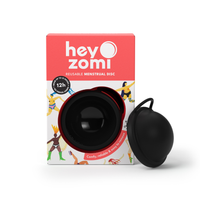
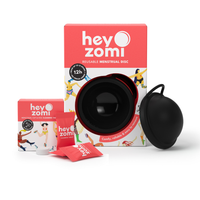
At Hey Zomi, we designed our reusable menstrual disc to offer up to 12 hours of wear, with a comfortable, suction-free design and a handle to support easier removal.
Our period underwear offers another way to manage your flow, whether worn on its own or as backup protection.
The goal isn't to tell everyone how they should manage their period.
It's to give people better choices so they can find what works for them.
Better period care should make life easier, not add another thing to worry about.
3. Take your period symptoms seriously
Your period can tell you important things about your health.
If you're regularly experiencing severe pain, very heavy bleeding, significant fatigue, dizziness, bleeding between periods or symptoms that interfere with everyday life, it's worth discussing them with a qualified healthcare professional.
You don't need to wait until symptoms become unbearable to ask questions.
Keeping track of your bleeding, pain, cycle patterns and how symptoms affect your daily activities can also help you communicate your experiences during an appointment.
And if you feel your concerns haven't been adequately addressed, it's reasonable to ask for further assessment or a second opinion.
You deserve to feel heard and supported.
4. Share the practical load
If someone in your household menstruates, there are plenty of ways to make their life easier.
Keep period products stocked in the bathroom. Help with washing and cleaning. Offer a heat pack when they're uncomfortable. Make space for rest when needed.
For partners, parents, friends and family members, being supportive doesn't require having experienced a period yourself.
It simply requires listening, understanding and recognising that menstruation can involve real physical and emotional work.
Even small gestures can make someone feel less alone in managing it.
5. Create more period-friendly spaces
Schools, workplaces, sporting clubs and community organisations can all play a role in reducing the Menstrual Load.
Access to period products, suitable bathroom facilities, flexible breaks and supportive attitudes can make a meaningful difference.
And so can language.
Instead of making jokes about someone being hormonal or dismissing their pain, we can create environments where people feel comfortable asking for what they need.
Nobody should feel that having a period makes them less capable, professional or welcome.

Why These Conversations Matter for Our Health
Talking about periods isn't just about removing embarrassment.
It's about improving menstrual health literacy.
When we're comfortable discussing our cycles, we're better able to understand what's typical for us, recognise changes and ask for support when something doesn't feel right.
Open conversations can also challenge misinformation.
They give younger generations a chance to learn about menstruation without fear or shame, and they help people who don't menstruate better understand how to support those who do.
Perhaps most importantly, they create space for people to speak up about symptoms they've been silently managing for years.
Because when we stop treating periods as something to hide, we make it easier to talk about the things that really matter.
Pain. Heavy bleeding. Mental wellbeing. Access to care. Confidence. Quality of life.
Period conversations are health conversations. And they deserve to be taken seriously.
A Better Period Experience Is Possible
Our Menstrual Load research revealed something we can't ignore.
Period leaks are overwhelmingly common, but the anxiety surrounding them remains enormous.
That's not just a period product problem.
It's a cultural problem. An education problem. An access problem. And, for many people, a healthcare problem.
At Hey Zomi, we're passionate about creating better reusable period care because we believe the products we use can make a real difference to our everyday experience.
But we also know that better products are only part of the solution.
We need better conversations, better education, better access to healthcare and more understanding from the people and environments around us.
So the next time someone mentions their period, don't change the subject.
Ask how they're going. Share what you've learned. Make room for the conversation.
Because the more we talk about the Menstrual Load, the more we can recognise it, challenge it and work together to lighten it.
Periods are normal. The shame, silence and unnecessary stress surrounding them shouldn't be.
Let's lighten the Menstrual Load. Together.
Hey Zomi | live better. period.

Frequently Asked Questions
What does Menstrual Load mean?
The Menstrual Load describes the physical, mental, emotional, practical and financial effort associated with menstruation. It includes managing bleeding and symptoms, planning around periods, purchasing products and navigating the worry or embarrassment that can accompany them.
Is it normal to worry about period leaks?
Worrying about leaks is common. In Hey Zomi's research involving 1,000 Australian survey participants, 88% reported worrying about period leaks, and 60% said they worried often or always. Although these experiences are common, persistent worry shouldn't be dismissed if it's affecting your confidence or everyday activities.
How can I reduce period anxiety?
Finding period products that suit your flow and lifestyle, keeping spare protection accessible and understanding your cycle may help you feel more prepared. Talking openly about your experiences and challenging the shame associated with leaks can also help. If anxiety is significantly affecting your wellbeing, consider seeking professional support.
How can I support someone who has a period?
Listen without judgement, help provide access to period products, respect their need for rest or flexibility and avoid minimising their symptoms. Normalising conversations about periods can also make it easier for someone to ask for support.
When should I seek medical advice about my period?
Seek advice if your periods are unusually heavy, very painful, changing significantly or interfering with your daily life. Symptoms such as dizziness, fatigue, bleeding between periods or persistent pelvic pain also deserve attention. Severe symptoms or very heavy bleeding accompanied by faintness may need urgent assessment.
Research and Helpful Resources
Hey Zomi Menstrual Load Research
Hey Zomi survey of 1,000 Australian participants exploring menstrual leakage, worry and behaviour. Campaign findings include 92% experiencing a leak, 88% worrying about leaks, 69% avoiding light-coloured clothing, 54% leaking in public and 60% worrying about leaks often or always.
Further reading
-
Healthdirect Australia: Periods and menstrual health
-
Jean Hailes for Women's Health: Periods, heavy bleeding and pelvic pain
-
Endometriosis Australia: Endometriosis education and support
-
Share the Dignity: Period poverty and menstrual equity in Australia