






A Huge Step Forward For Women’s Health 💗
A major change in women’s health research was announced this week, and honestly, it feels long overdue.
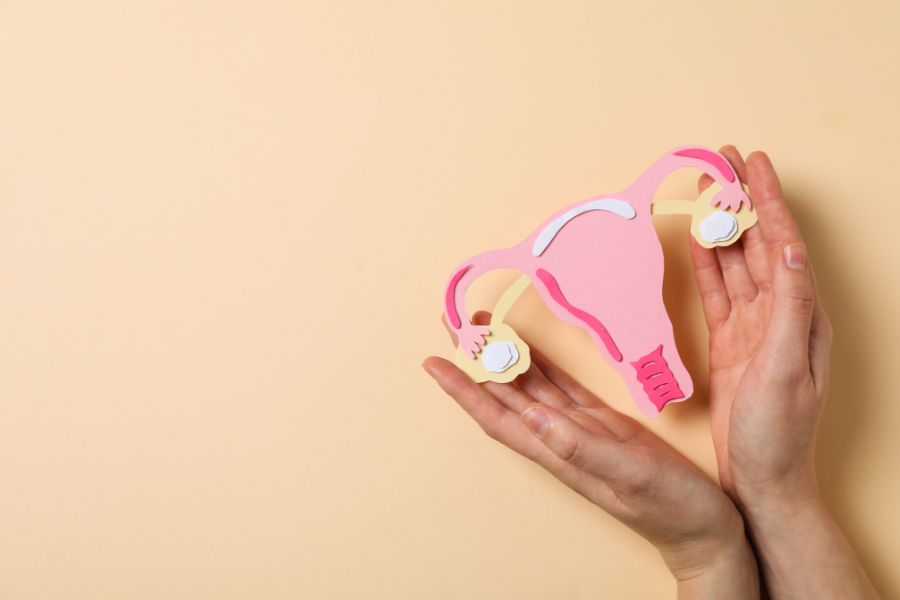
PCOS, Polycystic Ovary Syndrome, has officially been renamed PMOS, which stands for Polyendocrine Metabolic Ovarian Syndrome.
The change was announced at the European Congress of Endocrinology and published in The Lancet after more than 14 years of collaboration between global medical organisations, researchers and patient advocacy groups across six continents.
The renaming process was spearheaded by Australian endocrinologist Professor Helena Teede from Monash University’s Monash Centre for Health Research & Implementation, alongside international experts including Professor Terhi Piltonen, Professor Anuja Dokras and patient advocate Rachel Morman.
So why does this matter so much?
Because the old name, “Polycystic Ovary Syndrome”, never fully reflected what the condition actually is.
Many people with PCOS do not have ovarian cysts, and the name often reduced a complex hormonal and metabolic condition to something purely reproductive. Researchers say this misunderstanding contributed to delayed diagnoses, stigma and inadequate care for millions of people worldwide.
PMOS better reflects the reality of the condition, which can impact hormonal health, metabolism, cardiovascular health, mental health, fertility, skin and overall wellbeing.
And this is exactly why menstrual health and female health research must continue improving.
For centuries, periods and reproductive health have been shrouded in stigma, shame and dismissal. Too many people have grown up believing painful periods, hormonal struggles or being dismissed by healthcare systems was simply “normal”.
It is not good enough.
At Hey Zomi, we are incredibly encouraged to see global research, education and awareness around menstrual and hormonal health continuing to evolve. Because better language leads to better understanding, better diagnosis, better care and ultimately, better lives.
This is about more than a name change.
It is about finally recognising the full complexity of women’s health and listening to people with lived experience.
And honestly? It is about time.
Thanks to The Guardian for being a great source of up to date journalism and sharing this important update for menstrual health,